A Balanced Score Card Approach to measuring and improving public service delivery system
Measuring performance is key to evaluating how an organization is pursuing their strategic objectives. It has been perceived that the organization’s primary goal is to create ‘value’. Innovation is the key to solving a long-standing problem in public service delivery, which requires a combination of both business and public administration. Balanced scorecard approach, solves a long-standing problem in project management on how to create value to the public service planned. In this blog post, I will take you through a challenge I faced 3 years ago while working with public sector and hard choices that lead me to utilize wide-ranging management tools to deliver public service.
The project was aimed at providing subsidized food supply to improve food security among underprivileged communities. The scope of the Project was to develop a pilot model to measure performance and improve public service. The core principles to improve the performance of project was to deriving models from classic project management and Balanced Score Card Approach, approach to design systems that can enable innovation in the public sector and measure outcomes.
In Action: (Project design and measuring performance)

In the first, round of discussion with stakeholders and analysis of threats to substitution understood that the mere reliance on financial indicators is not sufficient to evaluate core competencies of the project performance. Drawn from my learnings from a variety of projects design and implementation over the years, conducted the stakeholder analysis and Resource mapping.
To identify capacity constraints and better resource allocation designed ‘The Aggregate Project Planning Framework’, included a portfolio of project activities according to levels of risk, resources commitment and timing of cash flows.
Balanced Score Board Approach: (Performance Management)
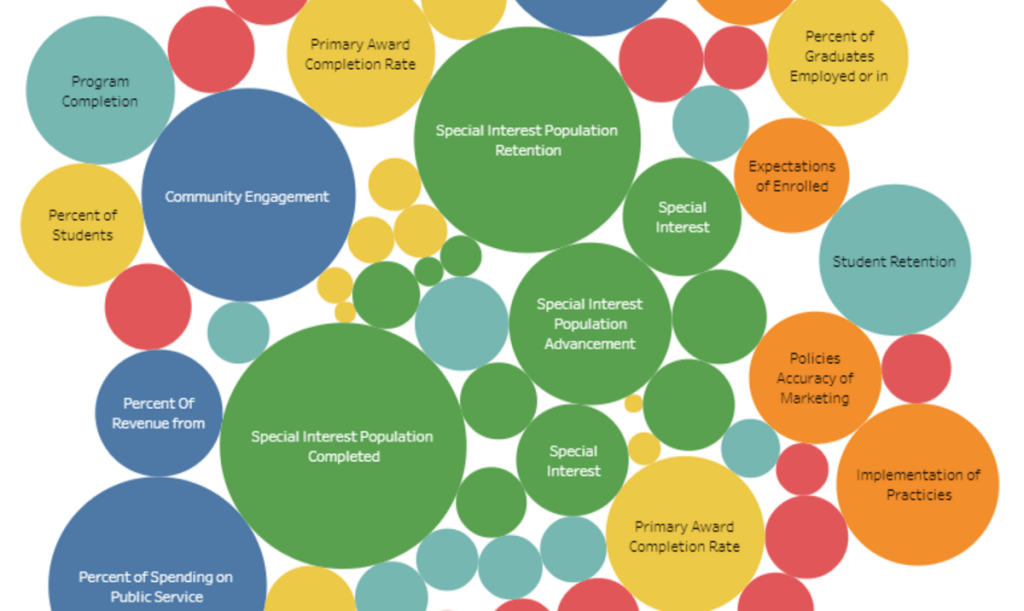
To improve the reach of public service and formulating goals with measuring critical determinants of success, took Balanced scorecard approach. As noted by R.Kaplan and D.Norton in the below figure, utilized four perspectives to evaluate performance.
Financial perspective:
The crucial aspect of project success is to its financial success, so we started analyzing revenue and financial resources for project implementation and meeting stakeholder’s expectations. To measure financial perspective of organization measured Return on Capital (service coverage), Net cash flow (for each individual activity) and forecasting (to meet future demands).
Best and Worst Case Scenarios
To understand the viability of the project, it requires keeping capital rationing as the key ingredient in success especially, relying on project budget based on benchmarking with sectoral standards. To understand further, segregated scenario analysis into Quantitative and Qualitative methods.
Quantitative methods – Discounted cash flow analysis, in which compared anticipated future benefits with current expenditure. Tools used: Net Present Value (NPV) and Internal Rate of Return (IRR).
In public service, the role of Quantitative methods should be confined to the financial and operations, whereas the real value creation is to the community it requires a thorough Qualitative approach.
Qualitative methods – To implement a complete cost-benefit analysis we need to categorize priority of activities based on the market, use, compatibility and distribution & price. Existing capabilities of the public sectors such as human resource and infrastructure will be valuable resources in achieving project success.
Customer perspective:
It is public service’s primary duty to be accountable to citizens/public, the project goal ultimately relies on improving customer satisfaction. As part of stake holder’s survey,
Initially, measured a Normative aspect of the program which includes a series of interaction with stakeholders (community members/citizens, local businesses) to learn and identify all parties interests, resources, and claims gave me a fair understanding of user experience. Combined with Q-sort, a simple tool, for ranking ideas and activities, based on wide-ranging customer preferences we sorted out the project short and long term priorities.
Through the insights gained during the survey and in-person interaction measured market size (random sampling to identify service demand), Percentage of population below poverty line (to estimate need to provide food security support), Customer satisfaction surveys (post service delivery).
Internal perspective:
In the second phase of project design, undertook an internal analysis assessment – to evaluate bottlenecks involved in project implementation. The exercise demands a well-coordinated plan between multiple departments in the organization and positive perspective towards change management.
Internal analysis aspects include a thorough analysis of
- Inbound logistics (Activities to procure/receive)
- Operations (management of Input to output)
- Outbound logistics (Activities to collect and distribute)
In the project, supplying food to the community demands a strong inventory management system to track and distribution of supplies in time. Due to point to point inventory system, measured daily inventory costs to the customer and to the organization. Created balance diagrams for stock in and stock out (includes Inbound logistics, operations, Outbound logistics).
Innovation and learning perspective:
It is important to analyze ‘Resource and Capability Gap’, which includes a clear understanding of the current position and service demand forecast. In this project technology gap is minimal, in inventory delivery, core focus was given to strategic intent in innovation through multidimensional performance measurement system.
As Porter correctly noted in ‘five force model’, to create more value to the common citizen through minimizing the degree of existing rivalry with middlemen and improved bargaining power of consumers. To enable this motive requires a competitive product delivery cycle demanding for upgrading human resource capabilities of the team. To measure the degree of training required and training forecasts evaluated performance reports of each team member, the measured distance of each stock pooling point for expansion further expansion to deliver increased public service.
References:
- Harvard Business Review
- A Design for Business Intelligence, Curtis W. Symonds
- Strategic Management of Technological Innovation, Melissa Schilling
 In Human Hands
Leave a comment